Contents
Related Posts
Privacy is one of the most important factors to ensure you can use your operating system safely. To protect yourself from the outside world and protect personal information, you should take a look at the important Windows settings. A lot of things are already well adjusted there, but if you turn a few screws, you can get even more out of it.
With these 10 tips for the Windows security settings you can protect your data in the best possible way:
Enable Windows FirewallConcepto de Firewall¿Qué es el Firewall?El Firewall es un hardware o software que protege a un equipo de accesos no autorizados desde una red de terceros. Además se le conoce como cortafuegos y actúa como una pared entre el Internet y el PC. Es el que monitorea el tráfico de una red y limita la entrada o salida de datos. Funciona bajo ciertas reglas que permiten autorizar una conexión, bloquear plus
Das Firewall is one of the most important Windows security settings. You can reach it via Windows Security and then Firewall &Concepto de AMP¿Qué es el AMP o Accelerated Mobile Pages?El AMP, abreviatura de Accelerated Mobile Pages, es una propuesta que empezó a tomar forma en el año 2016 con la finalidad de mejorar la usabilidad, lectura y, en general, la experiencia de los usuarios de teléfono celular dentro de cualquier página web. Emprendida por Google con un aperturismo total (es de código abierto), lleva en activo desde entonces para facilitar plus; Network Protection. Alternatively, you can also search for it directly in the search bar.
The firewall protects your PC from unauthorized access by third parties. Anyone who wants to access your data has to go past her first. When it’s disabled, accessing your personal information isn’t an obstacle at all. In any case, make sure that all networks have a green tick. Only then is full network protection active. If it doesn’t, turn on protection manually.
Activate Windows virus protection
You can also find the Virus & threat protection tab in the security settings. In any case, set the virus protection here. You can see from the green ticks that all the necessary functions are active. If a threat is detected, you will also see information and details here. You can always keep the virus protection up to date by clicking on the «Check for updates» button. This is fundamental for detecting threats.
General privacy settings
From your Windows settings you can access Privacy – General. Basic settings can be made there in the data protection area. You can disable apps from using your advertising ID there . In the same window you can also set the extent to which Windows may use your data for personalized advertising. It is advisable not to allow too much access through the operating system here either. Your personal information is your own business.
Enable Windows account protection
Enable Windows account protection in the security settings. You can also manage what data Microsoft has access to. In general, it is recommended to allow as little access as possible. Windows can also be operated without an active Microsoft account. So unless you absolutely need it, unpair your operating system from Microsoft here.
Check appConcepto de APP¿Qué es una APP?Una App es todo aquel programa que se ejecuta desde una interfaz teléfono celular, es decir, desde un móvil o una tablet. Consiste en la herramienta principal para cualquier usuario que tenga un teléfono teléfono celular, de todo el software que se mueve en tiendas digitales como Google Play Store o la App Store y que tanto se adentra en cualquier terminal moderno.Es un concepto plus and browser controls
Go to the App & browser control tab. There you can check whether apps, files or websites are accessing or even storing unwanted data from you. Run a review now. Windows also automatically detects a potential threat, but it doesn’t hurt to run the check manually from time to time.
Turn off location
Disable your location. In the privacy settings you can specify whether apps should have access to it. Disable this feature for any apps that don’t need it. Your location is none of their business and sharing is just another potential threat.
Manage VPN settings
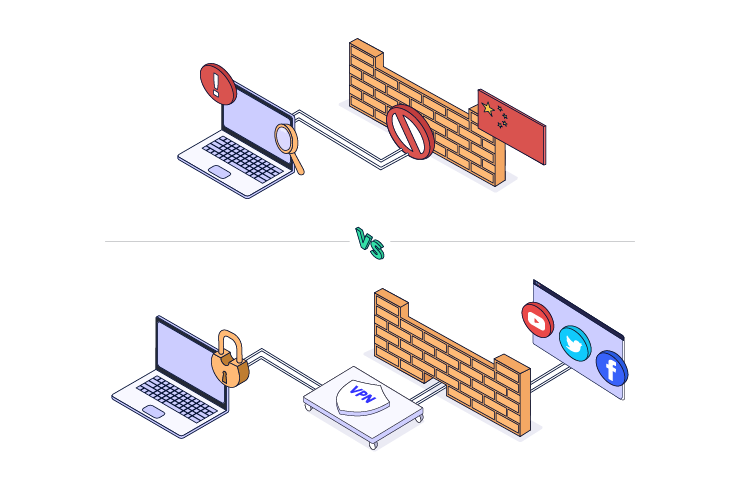
Add a VPN connection in your VPN settings. This ensures that your IP address and location are first redirected via another server. This ensures more security in the network. Whenever you access the Internet, the recipient of your data cannot see who you are or where the latter comes from.
In order to add a VPN connection, you must first find a VPN provider. A great free VPN solution can secure the information on your system and prevent unauthorized access by hackers or viruses. At the same time, it becomes much more difficult for strangers to even track your activities on the Internet.
Manage lock screen
Go to Personalization Lock Screen in your settings. There you can control what information is displayed on your computer when the screen is locked. These include, for example, new mails and the calendar. You can also set when the screen locks. When you’re not at your computer, you make sure that nobody can access it unintentionally.
Protect email and calendar
In the Mail and Calendar settings, you can also specify which applications can access it. The same applies here: Apps that do not absolutely need access should be deactivated. Any application that can read your email and calendar data poses a threat. There is no reason why they should need this information.
Create regular backups
Go to «Updates and Security» in the settings and then to the «Backup» tab. Here you can manage your backupConcepto de Backup¿Qué es el Backup?El Backup es una definición en inglés que se refiere a la copia de seguridad de los datos almacenados en un PC con la finalidad de que, en caso de algún problema informático que implique la pérdida de archivos, estos puedan ser recuperados. El significado de Backup es copia de respaldo o copia de reserva.El Backup se complementa con el procedimiento de recuperación de datos, el plus settings. Regular backups are more than useful.
If your data on the PC is lost due to viruses or hardwareEn informática, el término hardware se refiere a cualquier componente de un sistema informático que sea un objeto físico real, al contrario que el software que existe en forma digital. Esto incluye el disco duro y las unidades incorporadas, es decir, todos los componentes que son "duros", de ahí su nombre. Desarrollo El desarrollo del hardware informático comienza con la creación de los primeros ordenadores y tiene su verdadero origen plus damage, you can still access it elsewhere. You should therefore specify here that the PC performs regular backups. Select a location where the data should be backed up.
Contents
Toggle